How Long Does Iron Oxide Powder Last? The Manufacturer's Shelf Life Guide
Iron Oxide Powder Shelf Life: The Direct Answer
How long does iron oxide powder last? In a sealed, dry, and temperature-stable warehouse, the practical shelf life is measured in years—commonly five to ten—and the chemical identity of the pigment does not expire at all. A "use within two years" note on some datasheets is a commercial safety margin, not a chemical limit.
Iron oxide pigments are inorganic oxides in their most oxidized state. They cannot oxidize further, do not support microbial growth, and do not go rancid. The real limits to shelf life are physical: moisture, contamination, and careless handling. Most industrial buyers will never see a batch fail due to age alone; when failures happen, storage is almost always the cause. This article explains why that stability exists, which storage mistakes shorten it, and how to verify that an older batch is still suitable for production.
Why Iron Oxide Powder Remains Chemically Stable
The stability of iron oxide starts with thermodynamics. Hematite (Fe2O3), magnetite (Fe3O4), and goethite (FeO(OH)) are the same minerals found in ancient geological deposits that have persisted for millions of years. Desert sands colored by iron oxide are a natural demonstration of this permanence. Pigment manufacturers exploit exactly that property.
The Role of Calcination
Synthetic iron oxide is typically calcined at 600-800°C during production. That step stabilizes the crystal lattice and fixes the final pigmentary properties. Once a material has survived those temperatures, warehouse heat is irrelevant. Standard storage temperatures of 5 to 35°C produce no measurable crystalline change.
Synthetic vs. Natural Pigments
Natural iron oxide minerals often contain silica, alumina, or other mineral impurities that can influence color and behavior. Synthetic iron oxide offers a defined composition and predictable performance. Buyers deciding between the two sources should review a detailed comparison of synthetic and natural iron oxide stability before committing to a grade.
Storage Conditions That Set the Real Shelf Life
Because iron oxide powder does not expire chemically, its useful life depends on physical storage conditions. Three factors determine most real-world outcomes: moisture, temperature, and packaging integrity.
Moisture and Humidity
Moisture is the main source of pigment damage. Fine iron oxide powders have a high specific surface area and will adsorb ambient humidity. The result is agglomeration: powder forms soft lumps, and under prolonged pressure in stacked bags, hard lumps appear. Soft lumps usually break down during dispersion, but hard compaction may require milling.
Keep pallets indoors, off the floor, in an area with relative humidity below 60%. Avoid spots near loading docks, wash bays, or condensation points. A simple hygrometer in the pigment storage area is cheap insurance and removes guesswork from humidity decisions.
Temperature Limits
Normal warehouse temperatures from 5 to 35°C are completely safe for all iron oxide colors. Even brief higher temperatures, up to 60°C, do no measurable harm. The one exception is iron oxide yellow, which contains bound water and can dehydrate if held above 80°C for extended periods, shifting its hue from yellow toward red. That scenario is rare, but it explains why yellow pigment should not be stored next to kilns, reactors, or other heat sources.
Packaging Integrity
The single most important variable is whether the original package remains sealed. A multi-layer paper bag or PE-lined woven bag protects pigment for years. Once a bag is opened, the remaining powder should be resealed immediately or transferred to a sealed container. Torn bags, punctures from forklift blades, and partially opened valves expose powder to moisture and cross-contamination.
The table below summarizes the influence of each condition.
| Condition | Typical Effect | Recommended Limit |
|---|---|---|
| Relative humidity | Moisture adsorption, agglomeration, harder dispersion | Below 60% RH |
| Temperature | Minimal for red and black; slow dehydration of yellow in extreme heat | 5 to 35°C |
| Direct sunlight | Surface change in rare cases; not the main risk | Avoid prolonged exposure |
| Packaging condition | Main determinant of long-term stability | Keep sealed until use |
For operational details covering safety as well as warehouse practice, the storage and handling guidelines for iron oxide powder are a useful reference.
Does Shelf Life Differ by Color or Grade?
Longevity varies modestly between colors because of differences in crystal chemistry and particle size. These variations are predictable and manageable.
Color-Specific Behavior
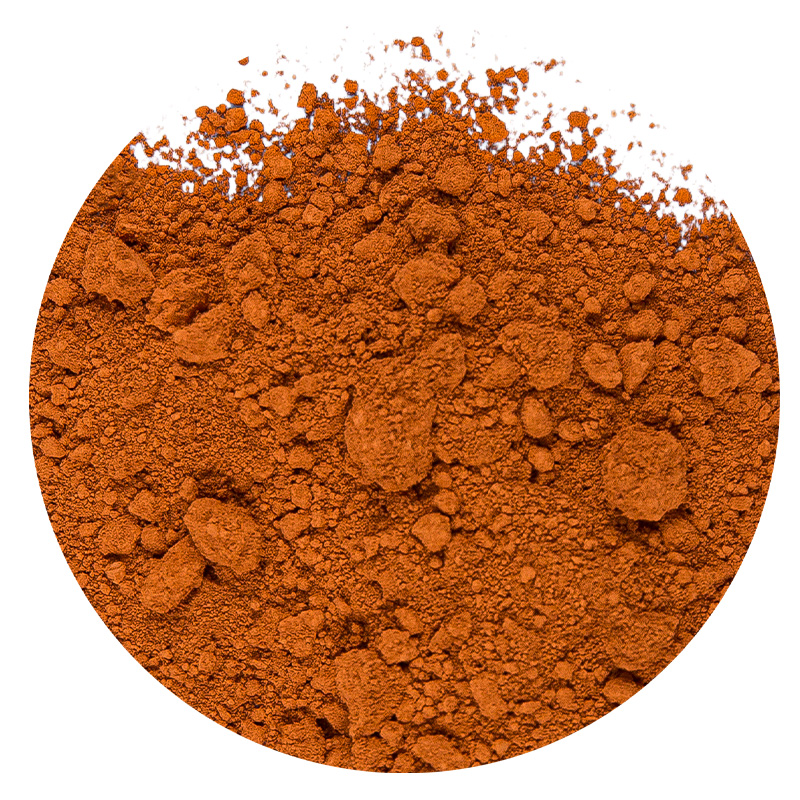
Iron oxide red (Fe2O3) is the benchmark. It is fully oxidized, contains no bound water, and resists chemical change under any ordinary storage condition. Commercial iron oxide red pigment from any established producer shows this stability.
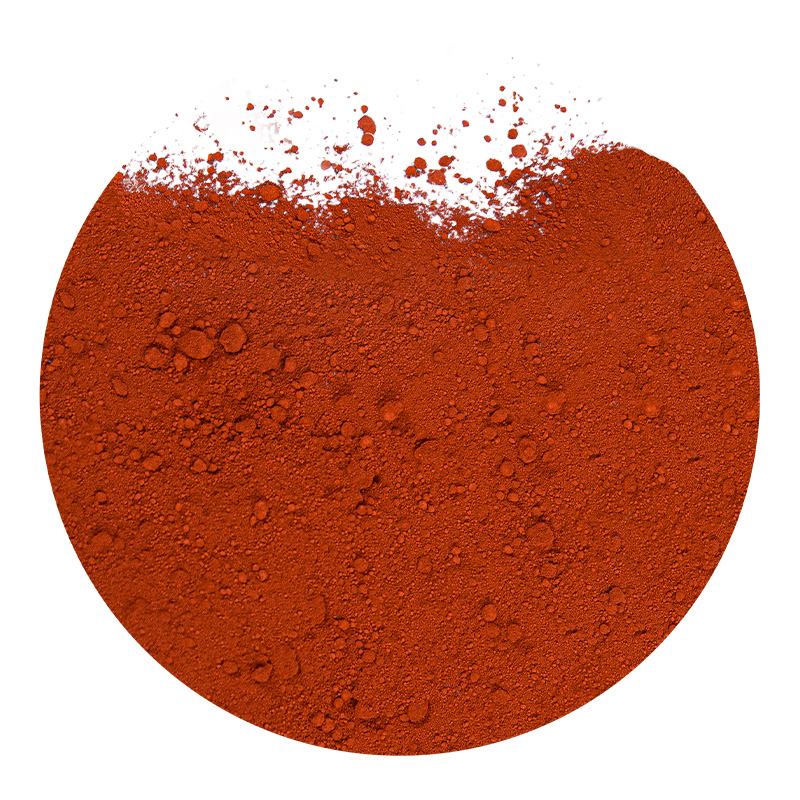 Red Iron Oxide Suppliers, Custom Red Oxide Pigment PowderDeqing Demi: China Red Iron Oxide, Red Oxide Pigment Powder Manufacturers, Suppliers, Factory, We Wholesale Custom Iron Oxide Red Powder ...View Product →
Iron oxide yellow (FeO(OH)) contains structural water, making it the most temperature-sensitive common iron oxide. In normal storage, it is just as stable as red. For commercial iron oxide yellow pigment, the only meaningful risk is sustained heat, which slowly dehydrates the crystals and shifts the hue toward reddish-brown.
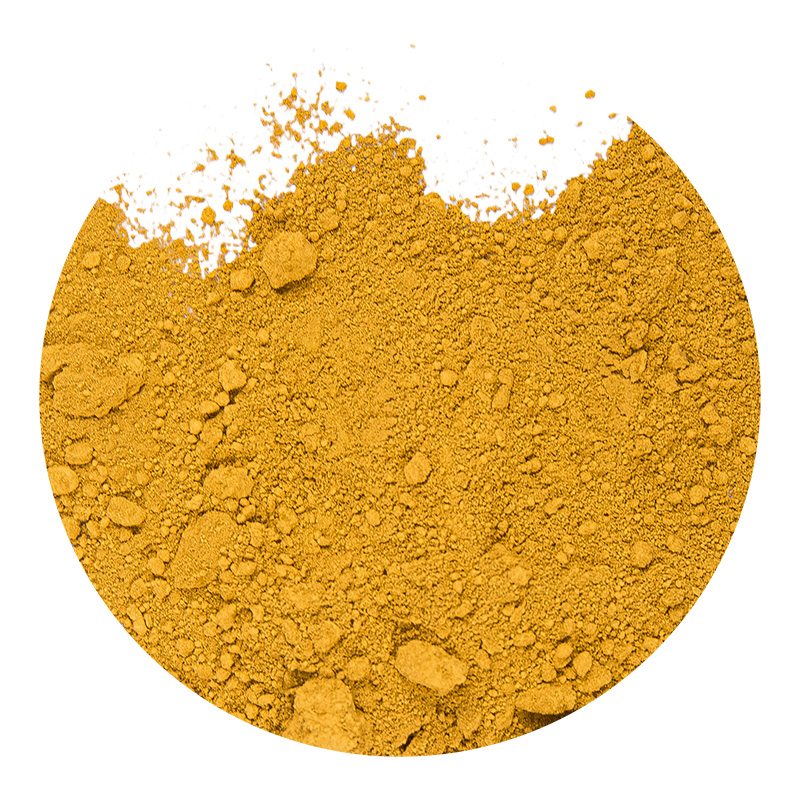 Custom Yellow Oxide Powder, Iron Oxide Yellow Pigment SuppliersDeqing Demi: China Yellow Oxide Powder, Iron Oxide Yellow Pigment Manufacturers, Suppliers, Factory, We Wholesale Custom Iron Oxide Yello...View Product →
Iron oxide black (Fe3O4) is a partially reduced oxide. Under strongly oxidizing conditions at elevated temperatures, it can gradually convert to red oxide. In warehouse conditions this is not a practical issue, but a long-stored lot benefits from an annual color check. The same logic applies to iron oxide black pigment kept in hot climates or poorly ventilated storage areas.
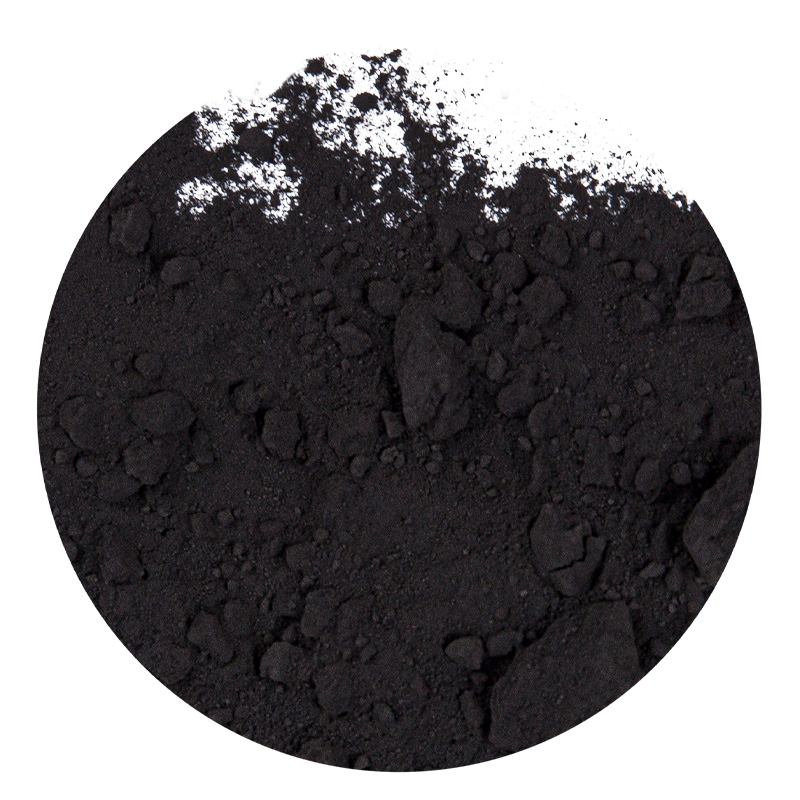 Custom Black Oxide Powder, Black Iron Oxide Pigment SuppliersDeqing Demi: China Black Oxide Powder, Black Iron Oxide Pigment Manufacturers, Suppliers, Factory, We Wholesale Custom Iron Oxide Black E...View Product →
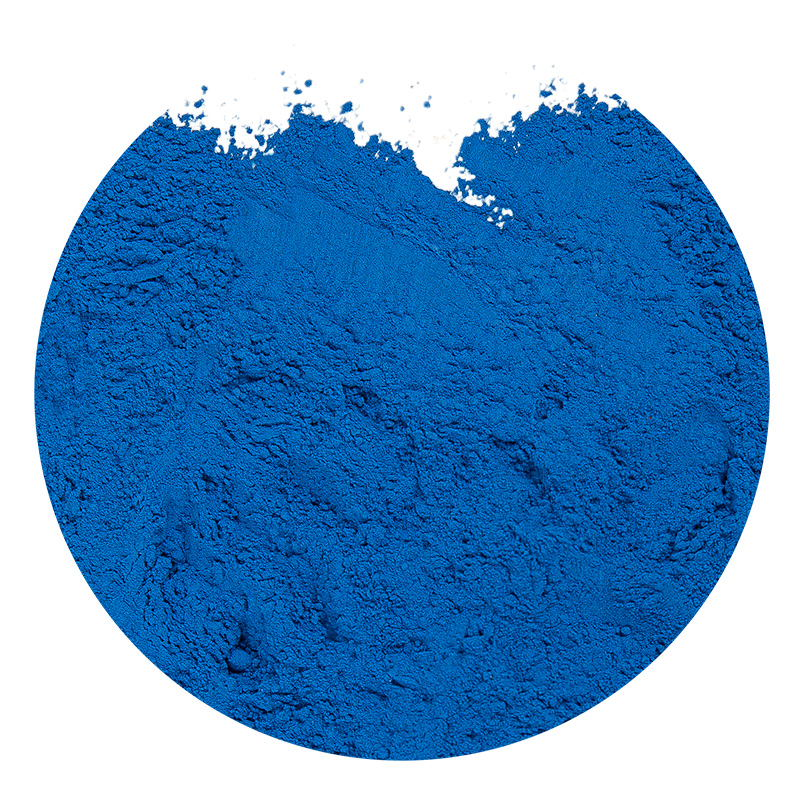
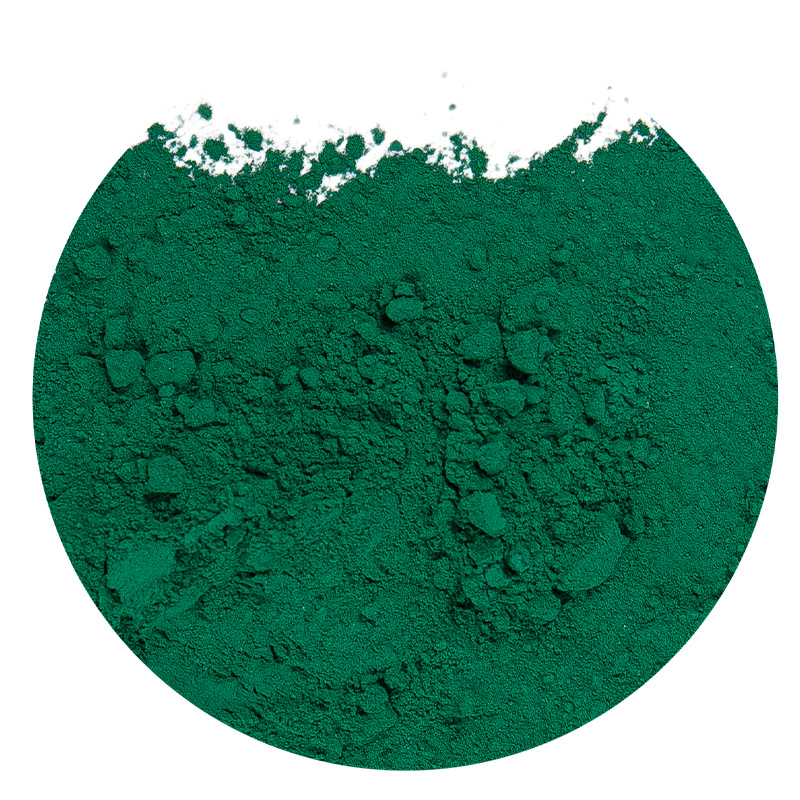
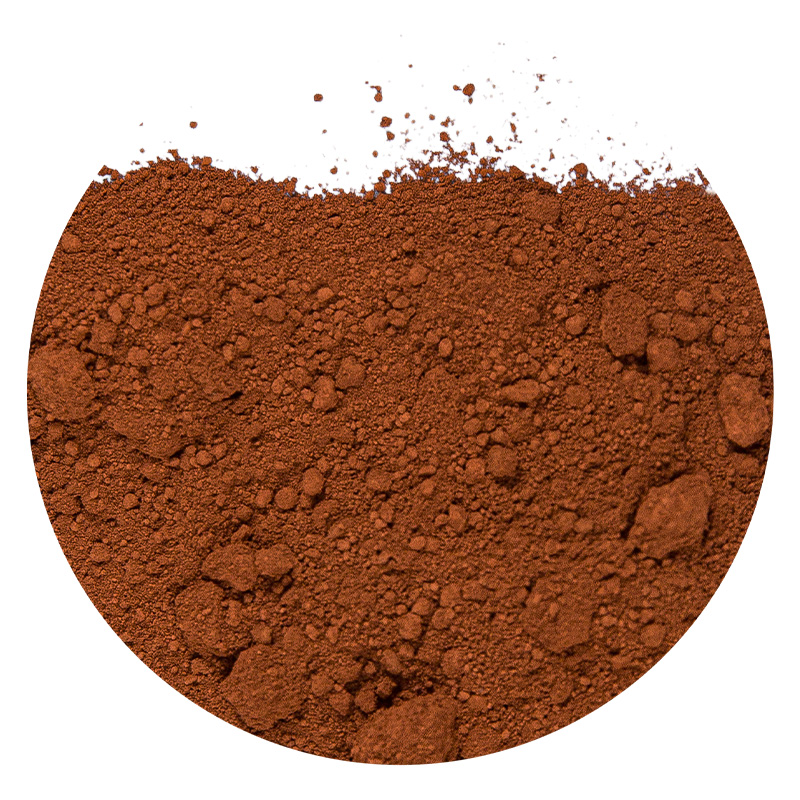
Brown, green, and blue iron oxides are composite or mixed-phase products. They inherit the stability of their constituent phases. In practice, their shelf life mirrors that of red and yellow.
Standard, Micronized, and Low-Heavy-Metal Grades
Within a single color, particle size is the main variable. Micronized iron oxide has a larger specific surface area, so it adsorbs moisture more quickly than standard grade. Sealed, micronized powder has the same shelf life as standard powder. Once opened, it should be used more promptly.
Low-heavy-metal grades are subject to stricter limits on arsenic, lead, cadmium, and mercury. Those limits are compositional, not temporal. A low-heavy-metal grade stored correctly remains compliant for the same period as a conventional grade.
How to Check Whether Aged Iron Oxide Powder Is Still Usable
A batch aged three, five, or even eight years can still be production-ready. Run two quick checks before use.
First, conduct a dispersion test. Mix a small sample into water or your process solvent and stir briefly. If the powder breaks apart cleanly, moisture damage is minimal. Persistent lumps indicate that dispersion will require additional energy.
Second, perform a tint-strength comparison. Blend a sample with white pigment in a fixed ratio and compare it against a retained reference standard. A major drop in tint strength points to contamination or severe agglomeration, not to chemical aging.
If condensation is visible inside the bag or a musty smell is present, the material was chronically exposed to moisture. In that case, test a small sample after drying before approving the batch for production. For batches that fail the dispersion test despite adequate mixing, check whether the particle size distribution has shifted. If milling is not available in-house, a supplier may accept returns under agreed quality terms; otherwise, the lot may still be usable in lower-specification applications such as coarse concrete coloring. The key point is that aged iron oxide usually loses dispersibility, not its color chemistry, and can often be restored with proper mixing.
Inventory Management Practices for Pigment Buyers
For B2B buyers, shelf life should be a non-issue if inventory discipline is in place. These practices prevent most problems:
- Request a production date and batch number on every delivery and record them at arrival.
- Apply first-in, first-out rotation, even though the material is stable.
- Sample one older batch each year for the dispersion and tint-strength checks above.
- Size orders against realistic consumption, especially for micronized grades.
The production date stamped on the pallet is the simplest risk indicator. A reputable manufacturer provides it without hesitation. If a supplier cannot state the production date, that is a red flag. A broader guide to choosing the right iron oxide powder can help structure supplier evaluation.
What Happens After Mixing: Durability in Final Products
Once iron oxide is mixed into concrete, coatings, plastics, or ceramics, its durability is measured in decades. Red oxide in exterior architectural coatings holds its color for 20 years or more under continuous UV exposure. Iron oxides used in concrete pavers and roof tiles are expected to match the service life of the product itself. The same permanence is why iron oxide pigments are specified for infrastructure that requires decades of visual consistency.
The practical conclusion is simple: iron oxide powder does not have a shelf-life problem, it has a storage-discipline problem. Keep it sealed, keep it dry, and keep it cool. The material purchased this year will still be the same material next decade.